

HOW TO LOSE 30 LBS
Today I want to walk you through something really straightforward: how to lose 30 pounds. Not the internet version with a hundred conflicting opinions, but the actual truth about how weight loss works and a plan you can adjust to whatever your goal is — whether that’s to lose 5 pounds or 100.
And honestly, I picked 30 pounds partly because that’s the goal I’m working on myself right now. So we’re doing this together.
Why Losing Weight Feels So Confusing
If you’ve ever searched for weight‑loss advice, you already know how overwhelming it can be. One expert tells you one thing, another tells you the opposite, and suddenly you’re stuck wondering if you’re even capable of choosing the “right” plan.
And maybe that’s where you get stuck — not because you don’t care, but because you’re trying to sort through so much noise.
Or maybe you do know what to do, but you’re not following through. Maybe your brain keeps offering thoughts like:
“I don’t have time for this.”
“I should wait until life slows down.”
“I need more motivation.”
If that’s you, you’re not alone. Inside For More of What Matters, we help with both sides — the plan itself and the support to actually follow through. But for today, let’s just focus on the plan.
The Five‑Step Plan to Lose 30 Pounds
1. Understand the math behind weight loss.
Weight loss always comes back to energy balance — the calories you take in versus the calories your body burns. That includes everything from keeping you alive (breathing, thinking, pumping blood) to chasing kids around the house to intentional workouts.
One pound of fat is roughly 3,500 calories, which means 30 pounds is about 105,000 calories. When you spread that out over time, the daily deficit you choose determines how quickly the weight comes off:
A 200‑calorie deficit → about 2 pounds per month
A 500‑calorie deficit → about 5 pounds per month
A 1,000‑calorie deficit → about 10 pounds per month
And here’s the part most people skip: The best timeline is the one you can actually stick to.
A fast plan that you quit is slower than a slower plan you finish.
2. Figure out your baseline.
Before you can create a deficit, you need to know where you’re starting. For at least seven days, track what you normally eat and weigh yourself each day. Don’t change anything yet — just observe.
If your weight has been stable, that average is your maintenance level. If it’s been creeping up, you’re in a surplus. If it’s been dropping, you’re already in a deficit.
This step gives you the information you need to set a realistic calorie target.
3. Set your daily calorie target.
Let’s say your maintenance level is around 2,000 calories per day. If your goal is a 500‑calorie deficit, your daily target becomes:
2,000 – 500 = 1,500 calories
That’s the number you’ll aim for during your cut.
And remember — you don’t have to stay in a deficit nonstop. You can do a few months of cutting, take a break to maintain, and then go back into another cut. Sometimes that approach makes the whole process feel much more doable.
4. Follow the plan for a month.
For 30 days:
Eat your target calories.
Track your food.
Weigh yourself daily.
Keep the emotion out of it — you’re just collecting information.
At the end of the month, look at the overall trend. Did your weight go down? Did the plan feel sustainable? Do you need to adjust anything?
This is where you learn what works for your body and your life.
5. Adjust like a GPS
If you drift off the plan, you don’t need to start over. You simply reroute.
Just like a GPS doesn’t scold you for missing a turn, your plan shouldn’t shame you either. You look at the data, make a small adjustment, and keep going.
This is the part that actually gets you to your goal — not perfection, but the willingness to keep recalibrating.
Habits That Make It Easier
These aren’t required for weight loss, but they make everything smoother and more sustainable:
Clean Measurement
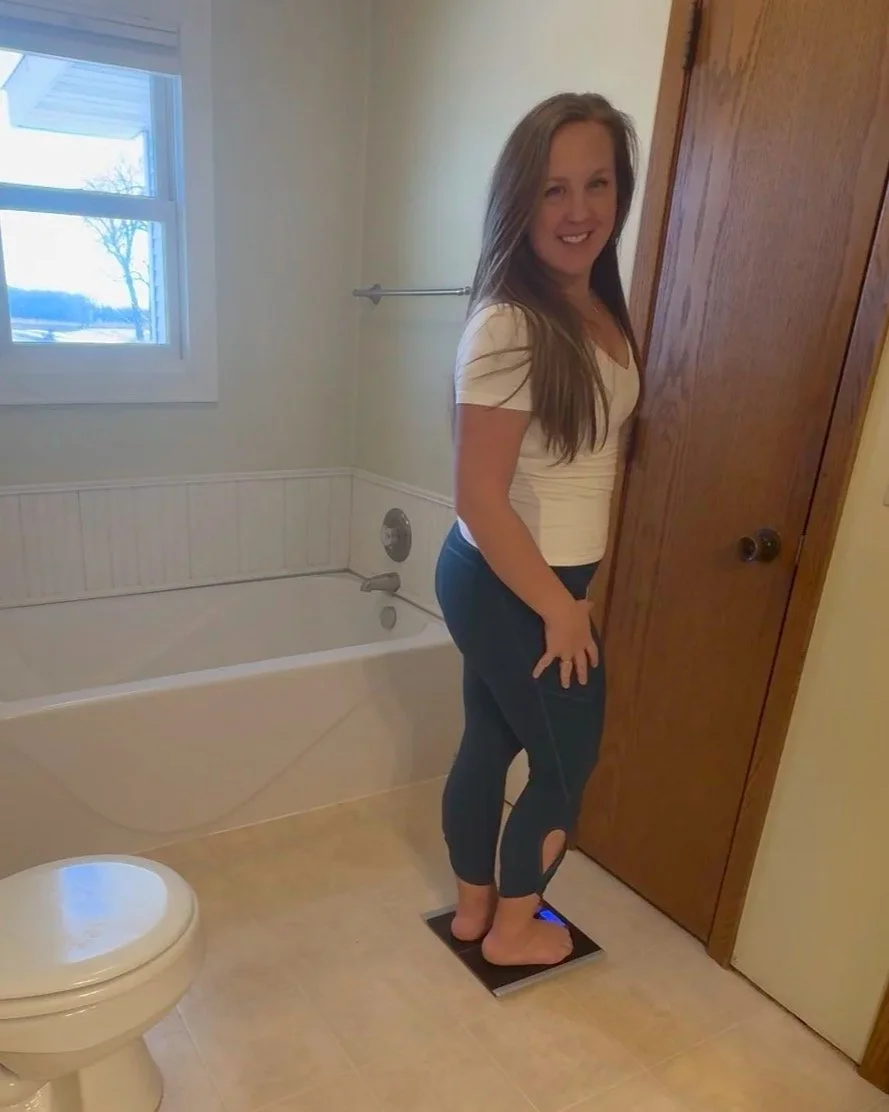
Weigh yourself daily without attaching meaning to the number. It’s just information.
Clean Tracking
Track your food without judgment. Awareness is what helps you make changes.
Positive Nutrition
Focus on protein, fiber, and whole foods that support your body and help you feel good.
Positive Movement
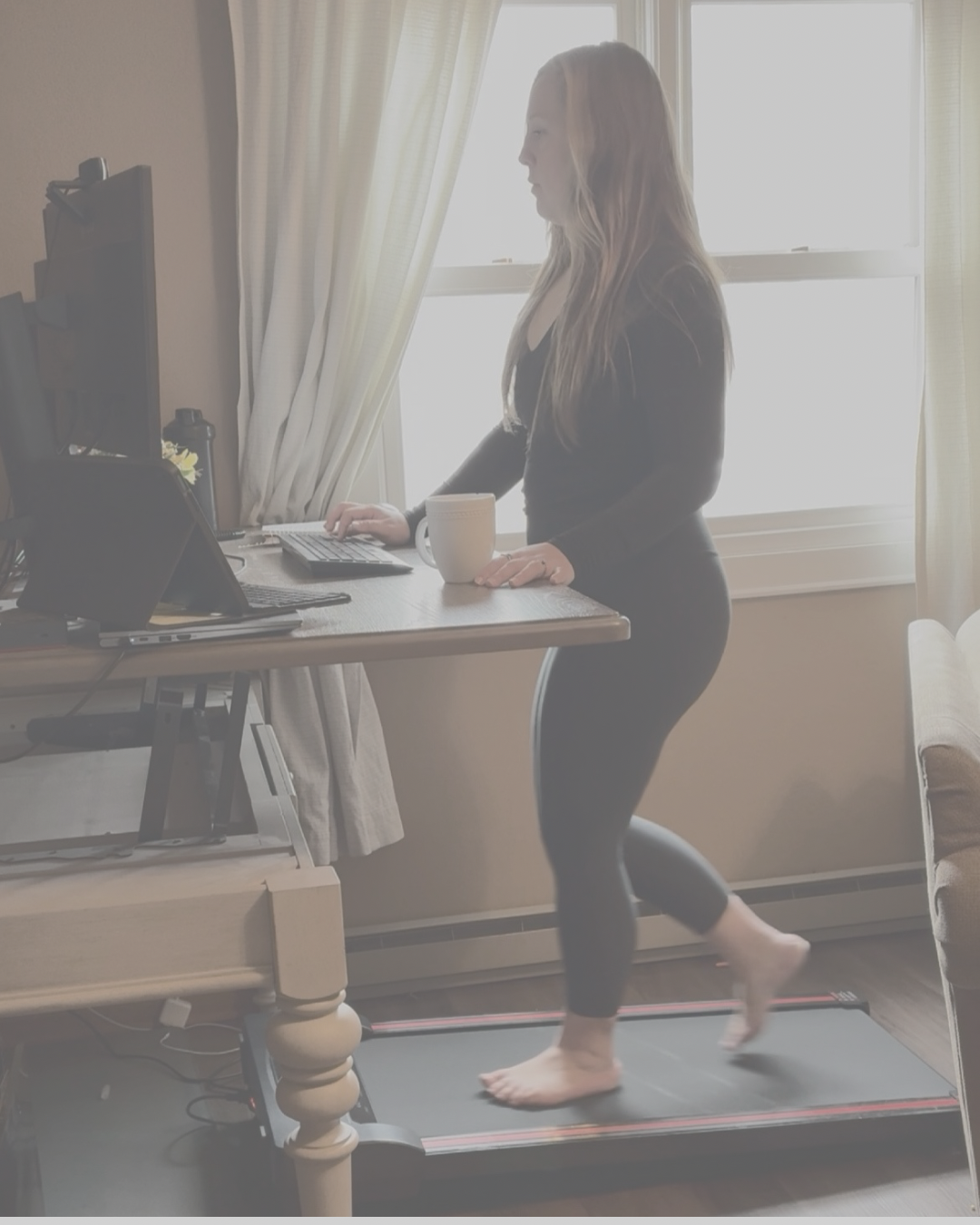
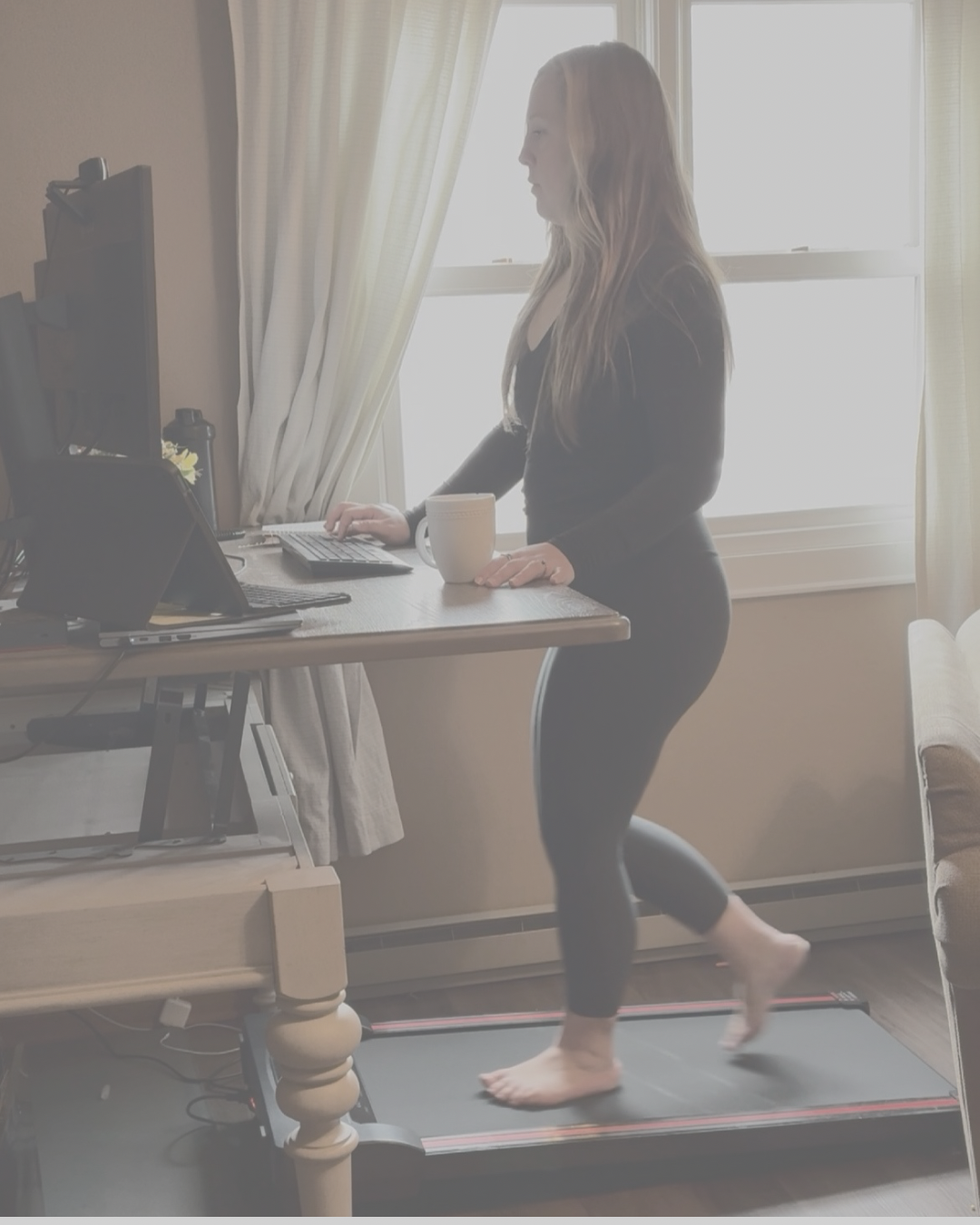
Think of movement as something that supports your health, not something you “have to do” to lose weight. Walks, standing more, gentle movement — it all counts.
The Truth About Losing 30 Lbs
It’s not complicated, but it does require consistency and a plan that fits your life. You don’t need more motivation — you need a system you trust yourself to follow.
Get the support you need.
If this was helpful, I’d love to invite you into the For More of What Matters group coaching program. You’ll get step‑by‑step guidance, support, and a community of moms working toward the same kinds of goals you are.
You can join us on Patreon or follow me on Instagram at @andrea.wieneke to learn more.







One of the main tools we use inside the For More of What Matters group coaching program is tracking — macro and calorie tracking for weight loss goals, and spending tracking for budget follow-through. And honestly? The fear of “obsessively tracking every single thing” holds a lot of women back from even starting.