

Staying On Track Without Tracking Everything
Let’s talk about staying on track… without tracking everything.
Why Tracking Feels Scary (and Why It Doesn’t Have to Be)
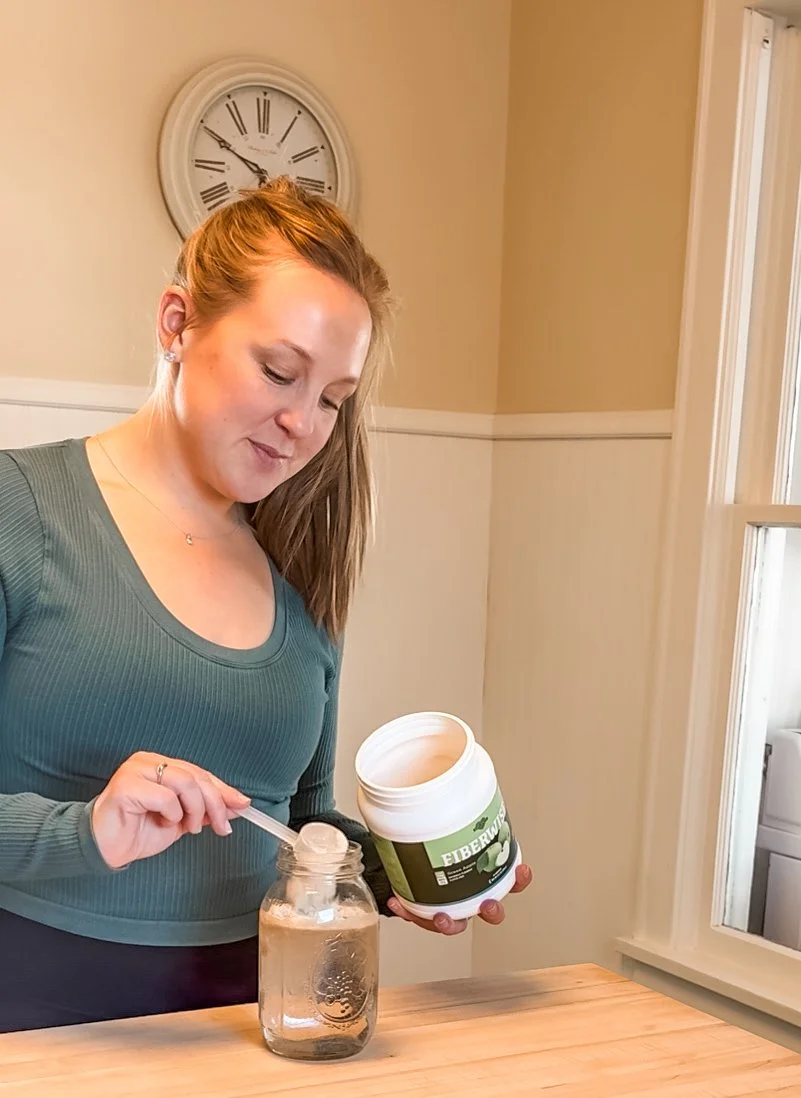
One of the main tools we use inside the For More of What Matters group coaching program is tracking — macro and calorie tracking for weight loss goals, and spending tracking for budget follow-through. And honestly? The fear of “obsessively tracking every single thing” holds a lot of women back from even starting.
We want to reach our goals intuitively. We want progress without getting too deep into the details. I get it — I felt the same way.
When I started macro tracking, I was nervous it would become the next level of obsession. After years of dieting and calorie counting, I worried it would make things worse. But it actually did the complete opposite.
There’s a quote I love — I think it was Brooke Castillo — that says “there is freedom that comes from structure.” That’s exactly what macro tracking gave me.
The obsession wasn’t coming from tracking. It was coming from the constant worry:
“I probably just ate way more than I should.” “I bet there were a crazy amount of calories in that.”
When I practiced clean tracking — tracking without drama, guilt, or negative emotion — it became a simple tool for awareness. And awareness brings peace.
So many times I’d think, “That probably blew my calories for the day,” and then I’d track it and realize… it didn’t. Or maybe it did, but only by 100 calories — not enough to derail anything. That awareness dissolved the perfectionism.
Instead of trying to eat “as little as possible,” I could map out my day and see that my plan was doable, peaceful, and enough.
The Same Freedom Applies to Money
I used to want a financial system that ran itself — fully automated, no tracking required. And I built a system that automated as much as possible. But I realized something important:
If I’m not tracking my spending, nothing works.
Automation can’t follow my budget for me.
When I’m not tracking, I’m constantly worried I’m overspending. When I do track — cleanly, without drama — I know exactly where I stand. If I go over budget, I’m doing it intentionally, not accidentally.
That intentionality brings peace.
“Knowing when I'm doing it and making that decision intentionally is so much more freeing… than just worrying and wondering throughout the month.”
If You Still Don’t Want to Track Everything…
You don’t have to.
Tracking even a little gives you powerful awareness.
Most of us are creatures of habit — we eat the same foods, buy the same things, follow the same routines. Tracking for a short period helps you understand your typical patterns.
For example, if you make lasagna often, track it once. Measure your portion. Add the ingredients. Now you have a solid sense of the calories and macros every time you eat it.
Even tracking for one day gives you insight into a “typical day.” Tracking for a week shows you the difference between weekdays and weekends — which can explain a lot about your results.
And yes, the peanut butter example is famous for a reason.
“Everyone will say the first time they measure a serving of peanut butter, it is like… a massive realization.”
Tracking teaches you what’s actually happening so you can make intentional choices.
How to Make Tracking Easy (and Drama-Free)
Think of tracking as a practice, not a perfection project.
Start small:
Track just breakfast.
Then breakfast + lunch.
Then add dinner once the first two feel easy.
Treat it like building any habit — gradually.
Track consistently until it feels like no big deal. Once it’s easy, you can decide how often you want to track. You might:
Track daily during weight loss or debt payoff seasons.
Track weekly during maintenance.
Track occasionally just to stay aware.
The goal is not to track forever. The goal is to make tracking easy enough that you can use it whenever you need clarity.
Clean tracking. No drama. Just awareness.
Choosing the Level of Tracking That Supports Your Goals
If you’re maintaining your weight or cruising financially, occasional tracking is enough.
But if you’re actively pursuing a focused goal — weight loss, debt payoff, saving a specific amount — you’ll want to track more consistently so you know when you’re on or off track and can adjust quickly.
You get to choose what tracking looks like for you.
That’s how you stay on track… without tracking everything.
Want Support While You Build These Habits?
If this resonated with you, I’d love to invite you into the For More of What Matters group coaching program. Inside, you’ll get step-by-step guidance to make plans and actually follow through with them — plus the support of coaching and a community of busy moms facing the same challenges you are.
If you found this episode helpful, I want to invite you into the For More Of What Matters Group Coaching Program inside the program, you'll have. Step-by-step guidance to making plans and actually following through with them to reach all of your goals. And you'll have the added support of working with me as your coach and accomplishing your goals alongside other busy moms who are facing the same challenges that you are.
You can join us in the For More Of What Matters group coaching program on Patreon or follow me on Instagram @Andrea.Wieneke to learn more.


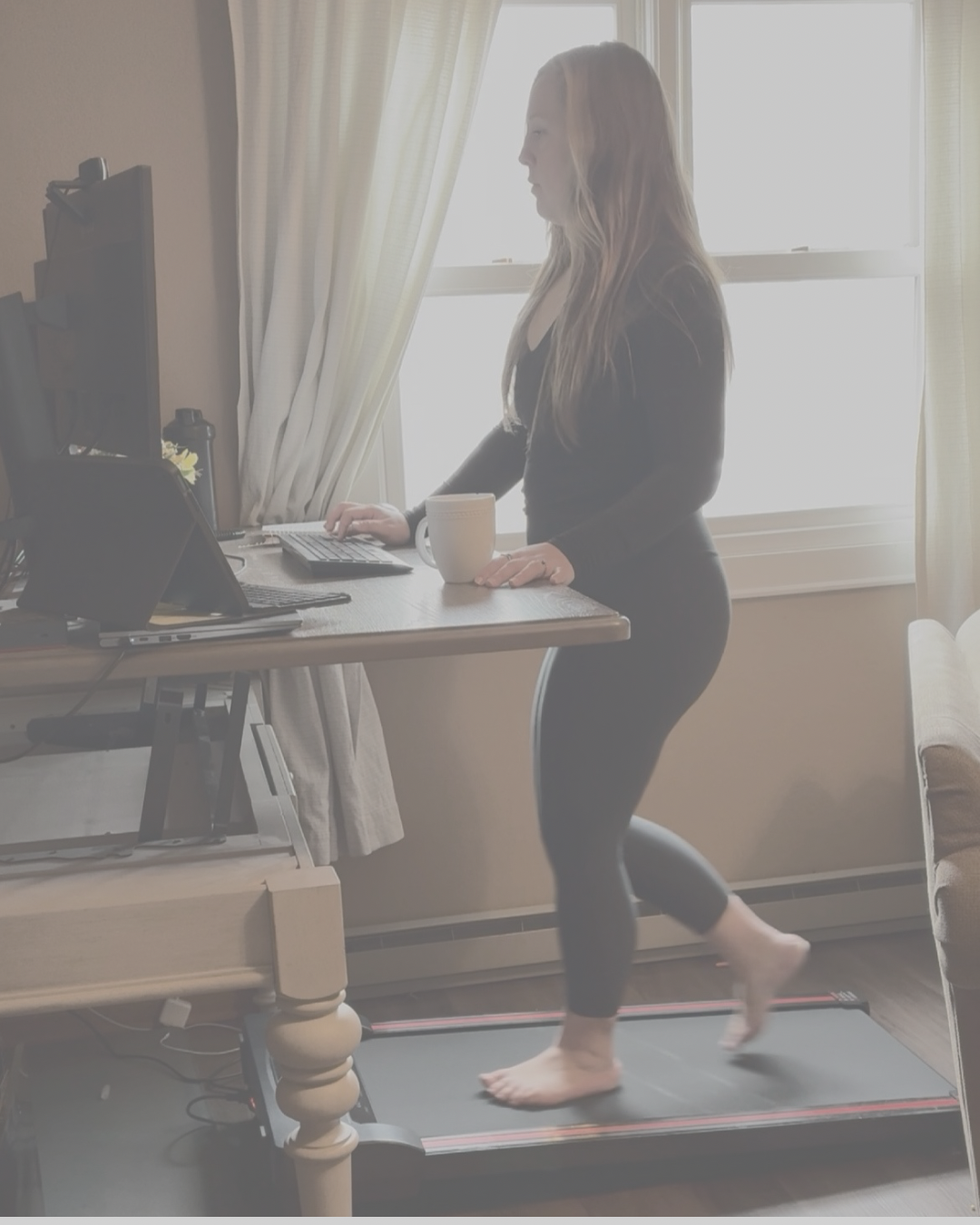



One of the main tools we use inside the For More of What Matters group coaching program is tracking — macro and calorie tracking for weight loss goals, and spending tracking for budget follow-through. And honestly? The fear of “obsessively tracking every single thing” holds a lot of women back from even starting.